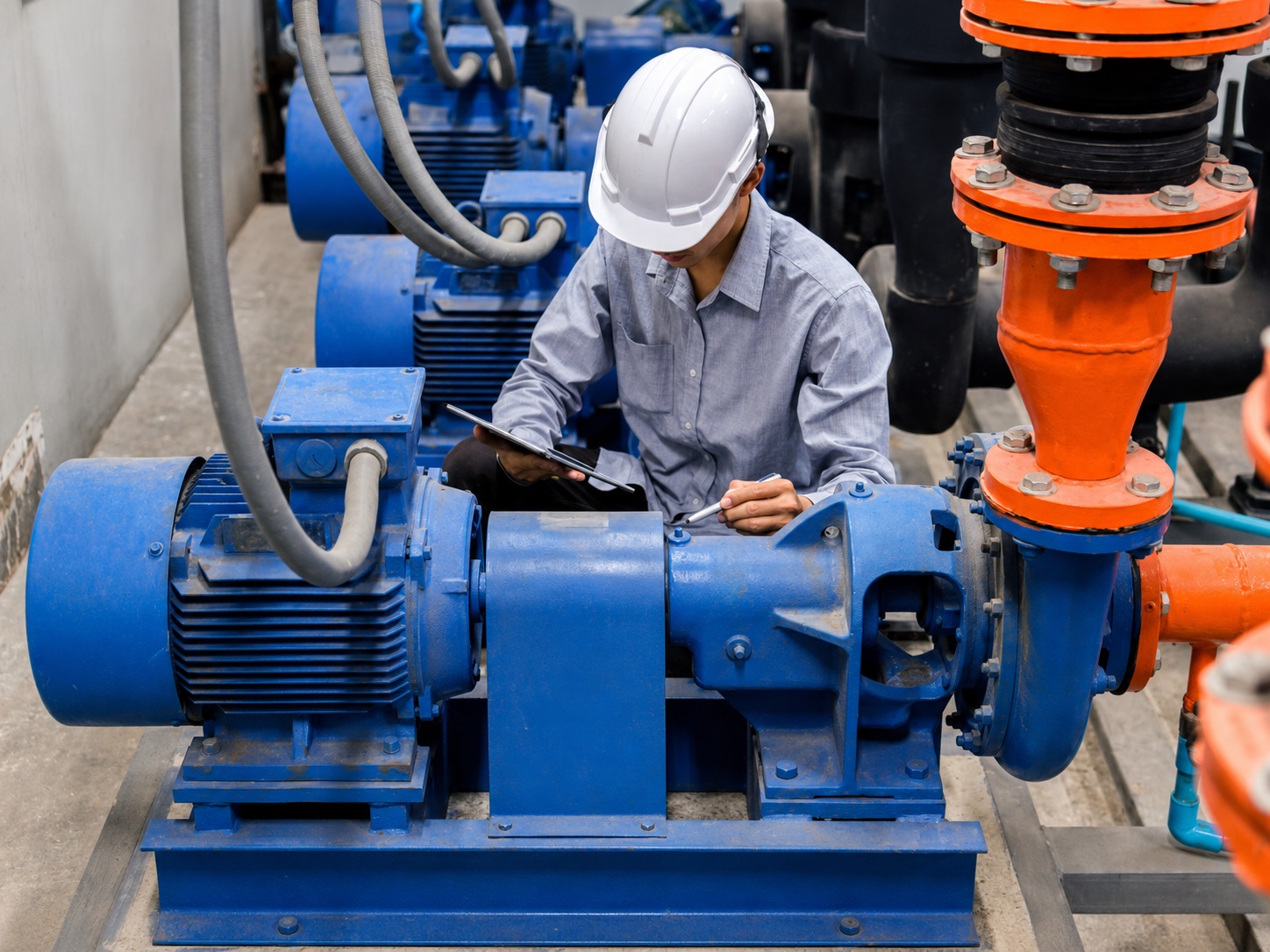
A pump repair does not only affect the pump casing, shaft or impeller. In industrial applications, repair quality can also influence mechanical seal life, bearing reliability and the frequency of future maintenance interventions.
When a pump returns from repair, the expectation is that it will operate reliably under the required duty. If the repair only addresses the visibly damaged component, without assessing the wider pump assembly, the same failure pattern may return. A new mechanical seal may fail prematurely. A new bearing may run hot, become contaminated or fail again. The pump may return to service, but reliability may remain uncertain.
For maintenance and reliability teams, this is where pump repair quality really matters.
Process Containment Solutions (PCS) supports industrial clients with pump repair assessment, mechanical seal expertise, technical product support and Flowserve-aligned repair capability. PCS is an Authorised Flowserve Distributor within South Africa and an Approved Flowserve pump and mechanical seal repairer, supporting customers where Flowserve pumps, mechanical seals and related equipment form part of the repair process.
A repaired pump is still part of a wider system
An industrial pump operates as part of a system. Process media, pipework, operating duty, bearings, mechanical seals, lubrication, alignment-related factors and maintenance practices all influence how the pump performs after repair.
This is why mechanical seal or bearing failure should not automatically be treated as an isolated component issue. A seal can fail because the seal itself is damaged or incorrectly selected, but it can also be affected by pump condition, shaft movement, vibration, heat, dry running, poor lubrication, contamination or operation outside the intended envelope.
The same applies to bearings. Replacing a failed bearing without assessing the bearing housing, shaft condition, lubrication evidence, contamination control and operating conditions may not address the reason the bearing failed.
A technically sound repair should therefore look beyond the part that failed and assess the conditions that may have contributed to the failure.
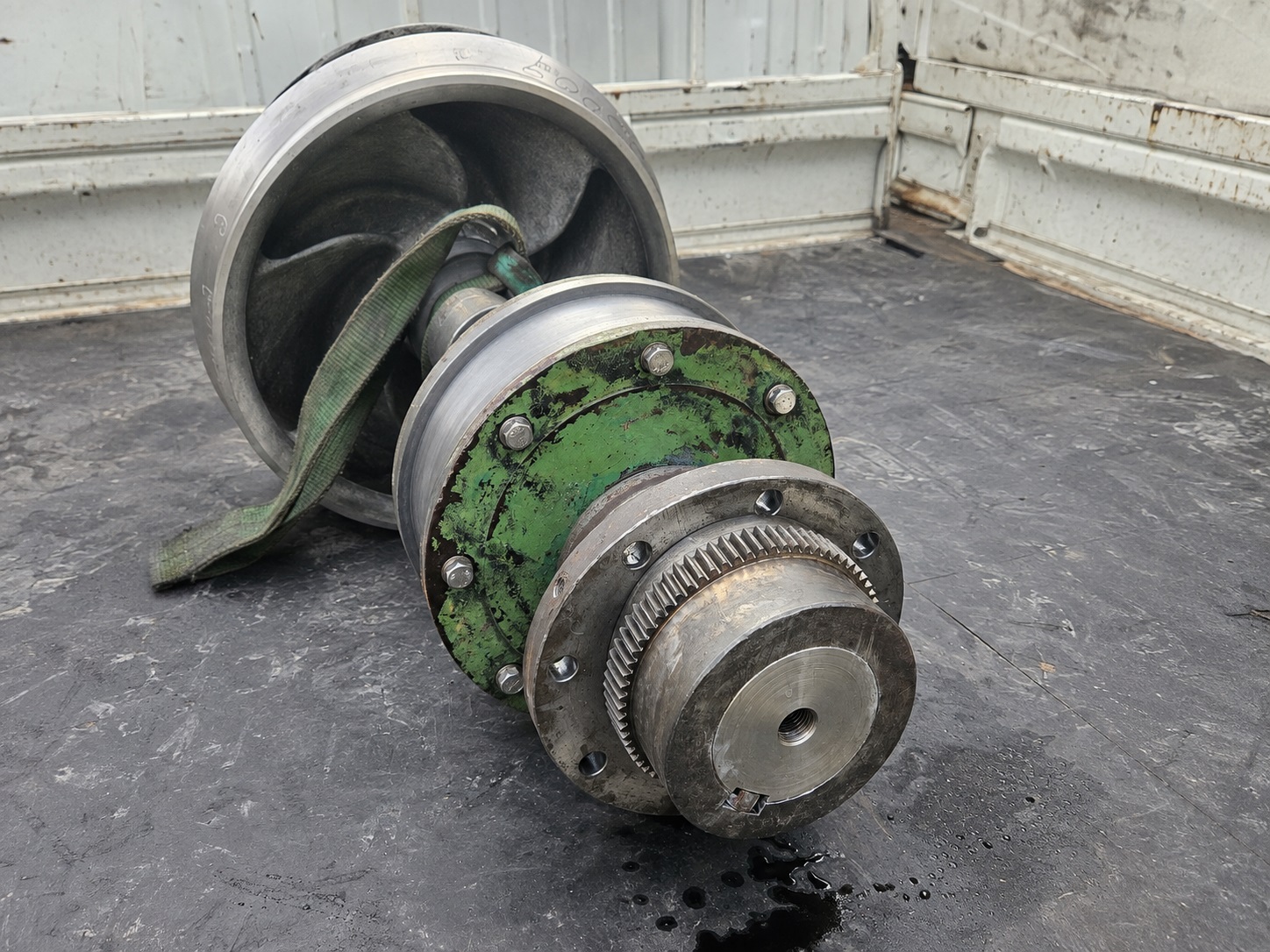
How pump condition affects mechanical seal life
Mechanical seals operate in a demanding area of the pump. They are affected by shaft movement, seal chamber conditions, process media, temperature, pressure, solids, vibration and the condition of surrounding components.
During pump repair, several pump-related factors can influence future seal performance.
Shaft and sleeve condition
A worn, damaged or incorrectly finished shaft or sleeve can affect how the mechanical seal operates. Surface condition, dimensional wear and movement at the seal area may all influence sealing performance.
If the shaft or sleeve condition is not assessed during repair, a new or repaired seal may be installed into an environment that still contributes to leakage or premature wear.
Seal chamber condition
The seal chamber creates the immediate operating environment for the mechanical seal. Corrosion, deposits, poor flushing conditions, damage, restricted clearances or unsuitable chamber conditions can affect the seal faces and related components.
A pump repair should consider whether the seal chamber condition supports the seal arrangement being used.
Vibration and shaft movement
Mechanical seals rely on stable operating conditions. Excessive vibration, shaft movement or rotating assembly issues can disturb the seal faces and increase the risk of leakage or wear.
These issues may be linked to bearing condition, impeller balance, wear components, alignment-related factors or operating duty. If they are not considered during repair, the seal may continue to carry the consequences of a wider pump problem.
Operating duty and seal suitability
A mechanical seal must be suited to the process media and operating duty. Changes in temperature, pressure, solids content, abrasiveness, corrosiveness, dry running exposure or start-stop frequency can all influence seal life.
Where repeated seal failures occur, the question should not only be whether the seal failed. The more useful question is whether the seal, pump condition and operating duty are working together correctly.
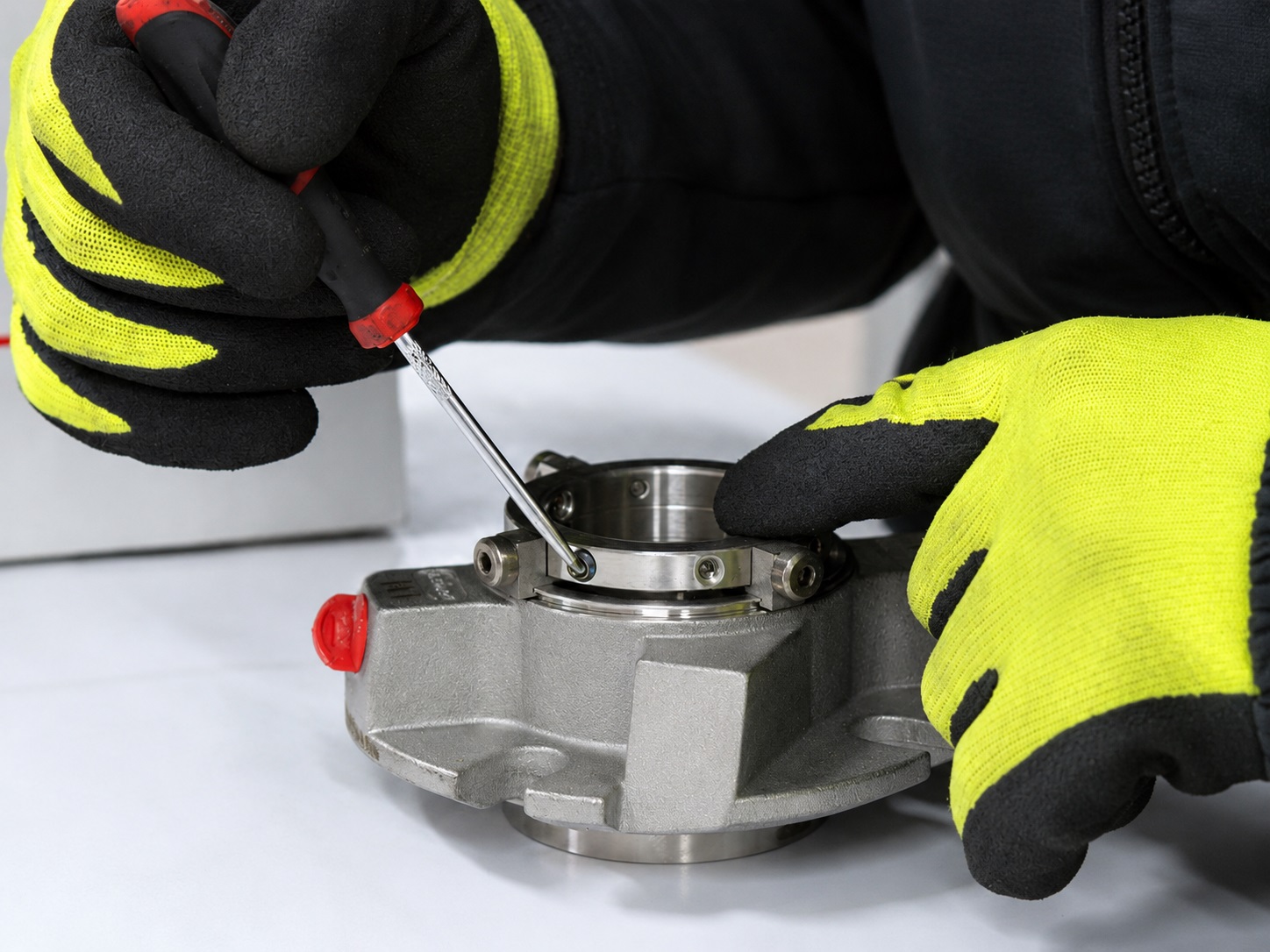
How pump repair affects bearing reliability
Bearings support the rotating assembly and are central to pump reliability. A bearing replacement may form part of a repair, but bearing reliability depends on more than installing a new bearing.
A pump repair should consider the conditions that allow the bearing to operate correctly.
Bearing housing and fits
The bearing housing, shaft fits and seating areas influence how the bearing is supported. Wear, fretting, incorrect fits or damage in these areas can affect bearing performance after repair.
If the bearing does not sit correctly or operate in the right mechanical environment, replacement alone may not provide the expected result.
Lubrication condition
Lubrication condition is a key indicator during repair assessment. Evidence of poor lubrication, contamination, overheating or lubricant breakdown can help explain bearing failure.
A bearing that has failed due to lubrication issues may fail again if the bearing environment is not addressed.
Contamination control
Contaminants entering the bearing housing can affect lubricant condition and bearing life. Moisture, dust, process contamination and environmental exposure can all contribute to bearing problems.
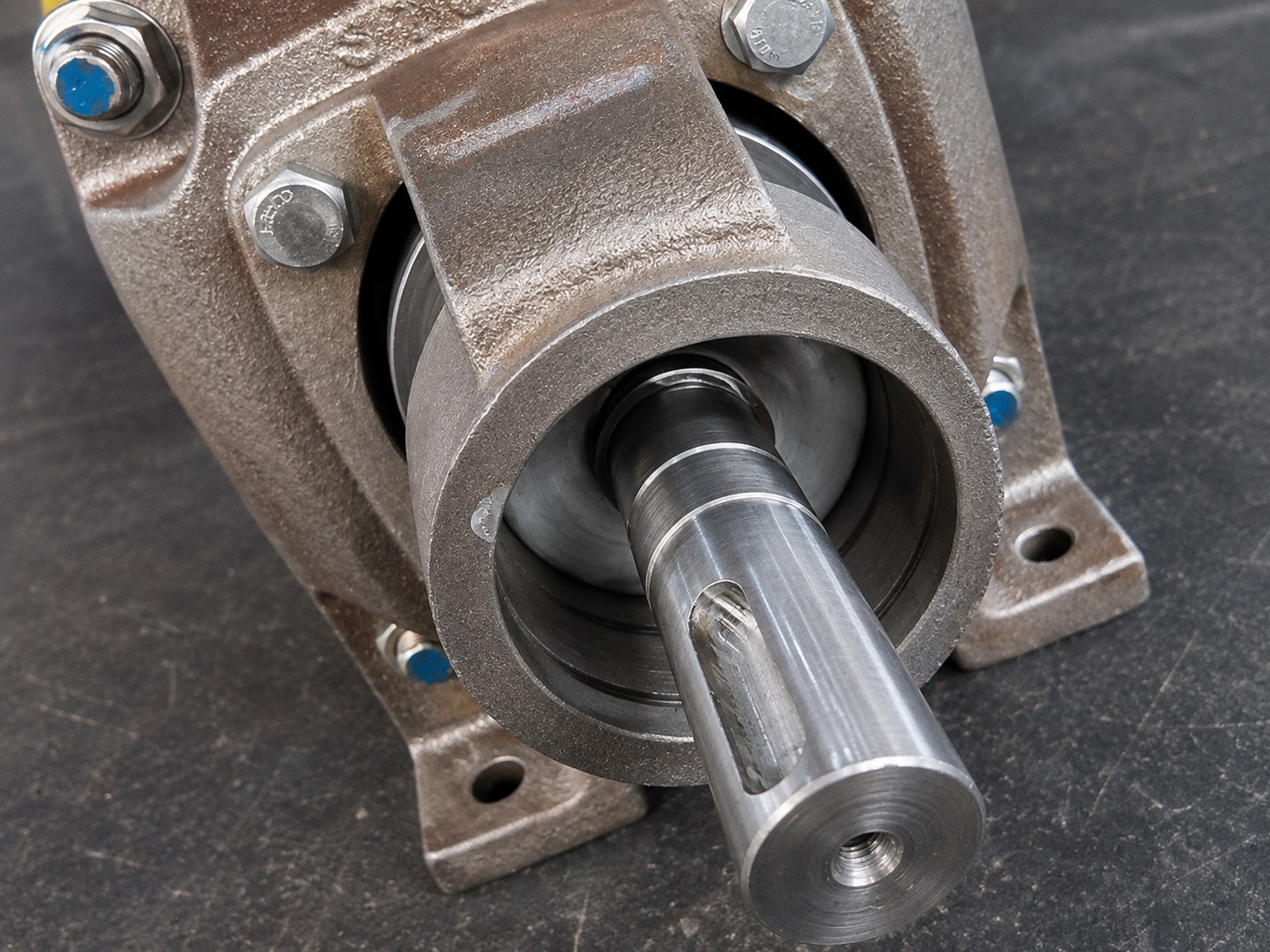
Bearing protection should therefore be considered as part of the wider pump reliability discussion, particularly in harsh industrial environments. Where suitable, products such as Flowserve Bearing Gard bearing isolators may support bearing housing protection by helping to reduce contamination ingress and retain lubricant.
Vibration and operating load
Bearings are also affected by vibration, imbalance, misalignment-related factors and operating load. These conditions may originate outside the bearing itself, which is why bearing failure should be assessed alongside the full pump assembly.
Repeat seal or bearing failure should trigger a wider assessment
Repeated seal or bearing replacement can become a costly maintenance pattern. If the same component keeps failing, the component may be showing the result of a wider issue rather than the original cause.
For example, repeated mechanical seal failure may point to:
shaft or sleeve wear;
- vibration or shaft movement;
- unsuitable seal selection;
- seal chamber condition;
- dry running or heat generation;
- process media changes;
- operation outside the intended duty.
Repeated bearing failure may point to:
- bearing housing wear;
- poor lubrication;
- contamination;
- incorrect bearing fit;
- shaft condition;
- vibration or imbalance;
- alignment-related issues;
- operating conditions that exceed the pump’s suitability.
In these situations, replacing the failed component without reviewing the surrounding pump condition can allow the same failure pattern to continue.
This is why repair assessment, failure evidence and operating history are important. They help maintenance teams understand whether they are dealing with a component failure, a pump condition issue, an application issue or a combination of factors.
What should be assessed during pump repair?
The exact assessment depends on the pump type, condition, repair scope and application.
However, where seal and bearing reliability are a concern, a repair assessment may include:
- casing and wet-end condition;
- shaft and sleeve condition;
- impeller and rotating assembly condition;
- wear components and clearances;
- bearing housing condition;
- bearing fits and lubrication evidence;
- mechanical seal condition and compatibility;
- seal faces, elastomers and related hardware;
- evidence of contamination, corrosion, erosion or dry running;
- process media and operating duty;
- signs of vibration, cavitation or operation outside the intended envelope;
- reassembly and quality checks;
- functional testing where required and applicable.
This type of assessment helps determine whether repair is technically viable, whether replacement should be considered, and whether the pump can return to service with appropriate confidence.
The role of functional testing after repair
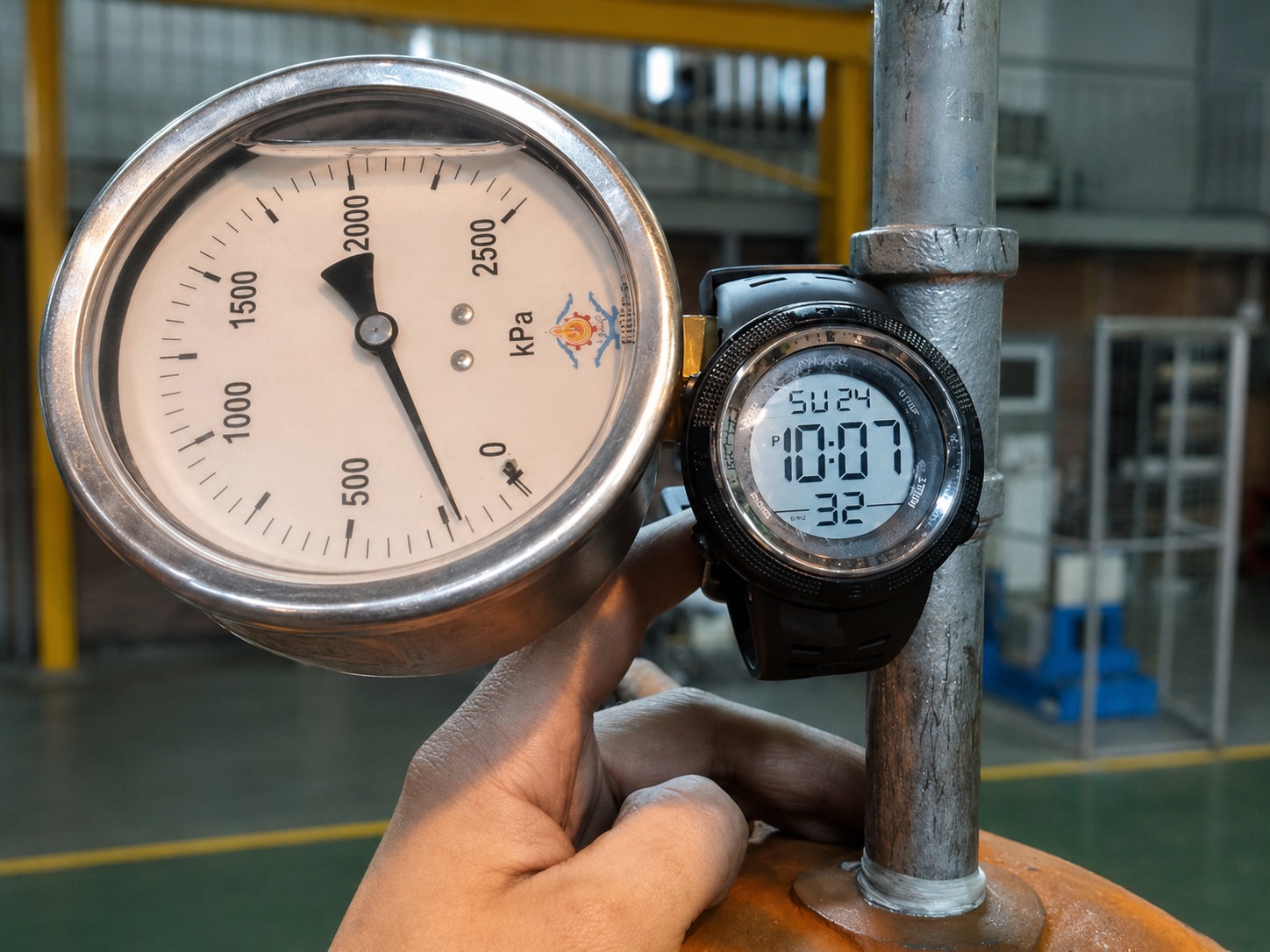
Functional testing does not replace correct inspection and repair assessment, but it can help verify repair integrity before return to service.
Where required and applicable, PCS conducts functional testing according to the pump, repair scope, customer specification and application requirements. Testing may include:
- performance testing;
- mechanical run testing;
- leak and pressure integrity testing;
- hydrostatic testing;
- controls and automation checks;
- Site Acceptance Testing (SAT);
- routine or comprehensive testing, depending on the agreed scope.
The purpose of testing is to support return-to-service confidence and confirm that relevant aspects of the repair have been checked before the pump is released.
Why Flowserve-aligned repair support matters
For Flowserve pumps, mechanical seals and related equipment, repair quality should be supported by the correct product context and technical understanding.
PCS is an Authorised Flowserve Distributor within South Africa and an Approved Flowserve pump and mechanical seal repairer. This relationship is important where customers require repair assessment, mechanical seal support, replacement guidance or product support involving applicable Flowserve equipment.
It also strengthens the connection between pump repair, mechanical seal reliability and bearing protection. A pump repair decision may involve the pump itself, the seal arrangement, bearing protection, component availability and the operating duty. These areas should not be treated as disconnected decisions.
Pump repair quality affects the full reliability picture
A pump repair should support the reliability of the full rotating assembly. The visible failure may be the starting point, but the repair decision should consider the pump condition, seal environment, bearing condition, component suitability, operating duty and available failure evidence.
When these factors are assessed together, maintenance and reliability teams are better positioned to make informed repair decisions and reduce the risk of repeat interventions.
Repair quality matters because mechanical seals and bearings do not operate in isolation. They rely on the condition of the pump around them.
PCS supports industrial clients with pump repair assessment, mechanical seal repair expertise, Flowserve-aligned repair capability, bearing-related product support and functional testing where applicable.