
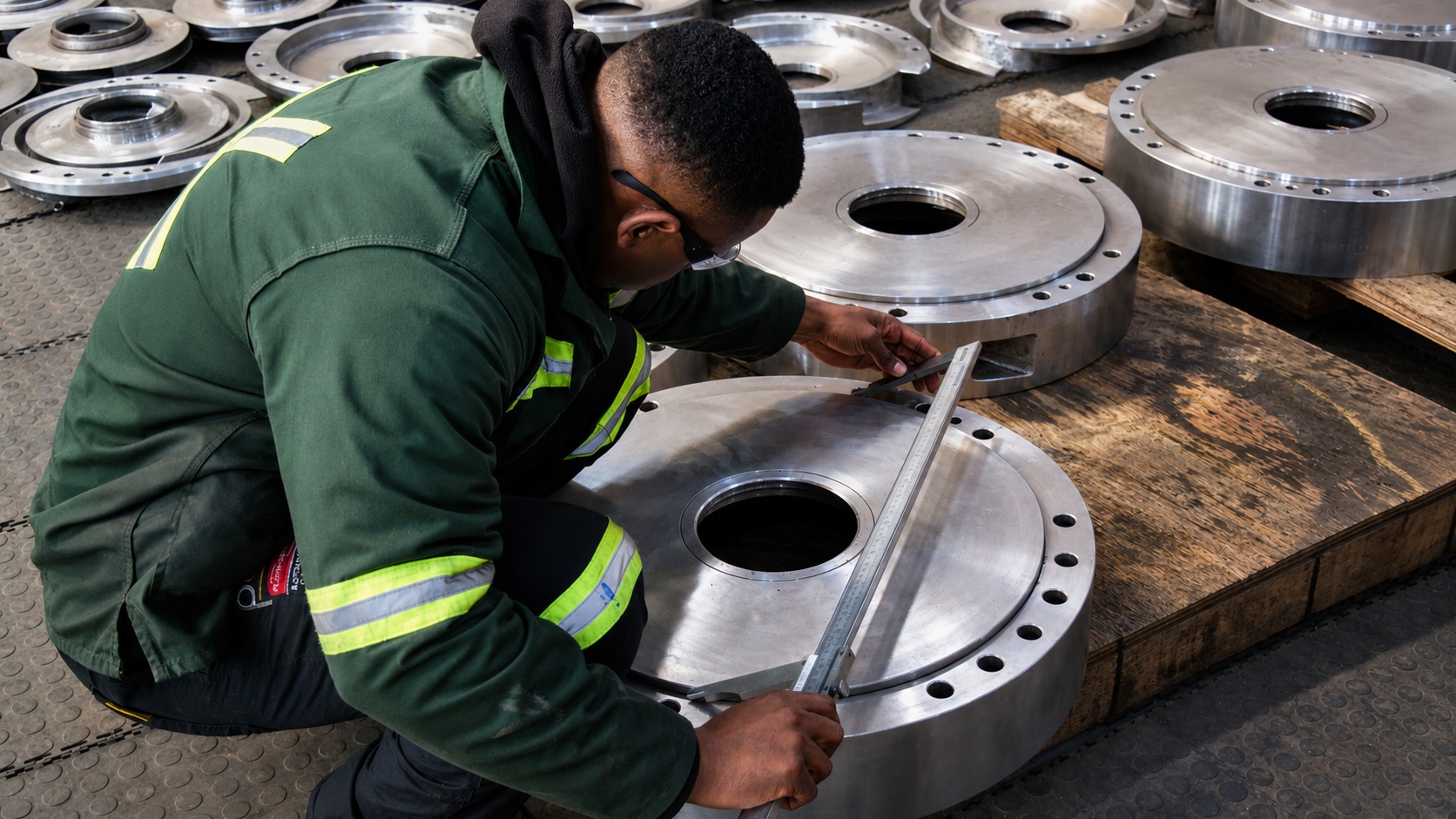
A pump failure should not only result in a repair. It should also leave useful information behind.
In industrial operations, every pump repair can reveal something about equipment condition, operating duty, mechanical seal performance, bearing reliability and the wider maintenance history of the asset. A worn shaft sleeve, repeated seal leakage, bearing contamination, casing wear, impeller damage or a shortening repair interval can all provide useful context.
When these findings are treated as isolated events, their value is limited to the immediate repair. When they are recorded and reviewed over time, they can help maintenance and reliability teams identify patterns, support root cause analysis, plan interventions earlier and make more informed repair or replacement decisions.
Process Containment Solutions (PCS) supports industrial clients with pump repair assessment, mechanical seal repair expertise, technical product support and Flowserve-aligned repair capability. Where repeated failures occur, repair findings can also support root cause analysis by helping customers identify possible contributing factors such as pump condition, seal and bearing condition, operating duty, component wear, contamination, lubrication issues or application-related changes.
PCS is an Authorised Flowserve Distributor within South Africa and an Approved Flowserve pump and mechanical seal repairer, supporting customers where Flowserve pumps, mechanical seals and related equipment form part of the repair or reliability discussion.
Repair findings can support root cause analysis
A pump failure may appear as leakage, reduced flow, loss of pressure, excessive vibration, high bearing temperature, mechanical seal failure or operational disruption. The visible problem may be clear, but repair assessment can reveal evidence that helps maintenance teams investigate the possible root cause rather than responding only to the failed component.
During inspection and disassembly, findings may include evidence of:
- component wear;
- shaft or sleeve damage;
- impeller or casing wear;
- corrosion or erosion;
- bearing condition;
- mechanical seal condition;
- lubrication problems;
- contamination;
- dry running;
- vibration or alignment-related factors;
- damaged wear components;
- unsuitable clearances;
- process-related damage;
- previous repair work;
- test findings where applicable.
These observations help explain the condition of the pump at the time of repair. They do not always identify the root cause on their own, but they provide evidence that can be compared with previous repair records, operating history and maintenance interventions.
A single repair tells the team what was found on one occasion. A repair history can show whether the same issue is appearing repeatedly, which helps maintenance teams identify possible root causes or recurring contributing factors.
Why repair history matters
Not every pump failure points to a wider reliability problem. Some failures are isolated. Others are linked to application changes, process conditions, component wear, maintenance practices or equipment that is no longer well suited to its duty.
Repair history helps maintenance teams separate isolated events from repeat patterns.
- Useful questions include:
- How often has the same pump been repaired?
- Are the same components failing repeatedly?
- Is the time between repairs becoming shorter?
- Are mechanical seal failures recurring?
- Are bearing failures appearing on the same asset?
- Has the process duty changed?
- Are repairs mostly planned, or are they repeatedly handled as emergency repairs?
- Are repair costs increasing over time?
- Are replacement parts becoming difficult to source?
- Is the pump still suitable for the application?
These questions move the discussion beyond the failed component. They support a more complete view of the asset, its repair history and the conditions that may be contributing to repeated intervention.
For maintenance managers and reliability engineers, this context is valuable because it helps show where attention should be focused before the next failure occurs.
What should maintenance teams record?
Repair records do not need to be complicated to be useful. The most valuable information is usually practical, consistent and easy to compare later.
For industrial pump repairs, useful information may include:
- pump identification and location;
- pump type and application;
- process media and operating duty;
- failure date and symptoms;
- repair date;
- components repaired, replaced or refurbished;
- mechanical seal findings;
- bearing findings;
- shaft and sleeve condition;
- impeller condition;
- casing and wet-end condition;
- evidence of corrosion, erosion or contamination;
- evidence of dry running or overheating;
- lubrication observations;
- changes in vibration, flow or pressure;
- parts availability;
- testing results where applicable;
- return-to-service notes;
- recommendations from the repair assessment.
The aim is not to create paperwork for its own sake. The aim is to build a record that can support better maintenance decisions.
When the same pump returns for repair several times, consistent records help the team understand whether the issue is changing, repeating or becoming more serious.
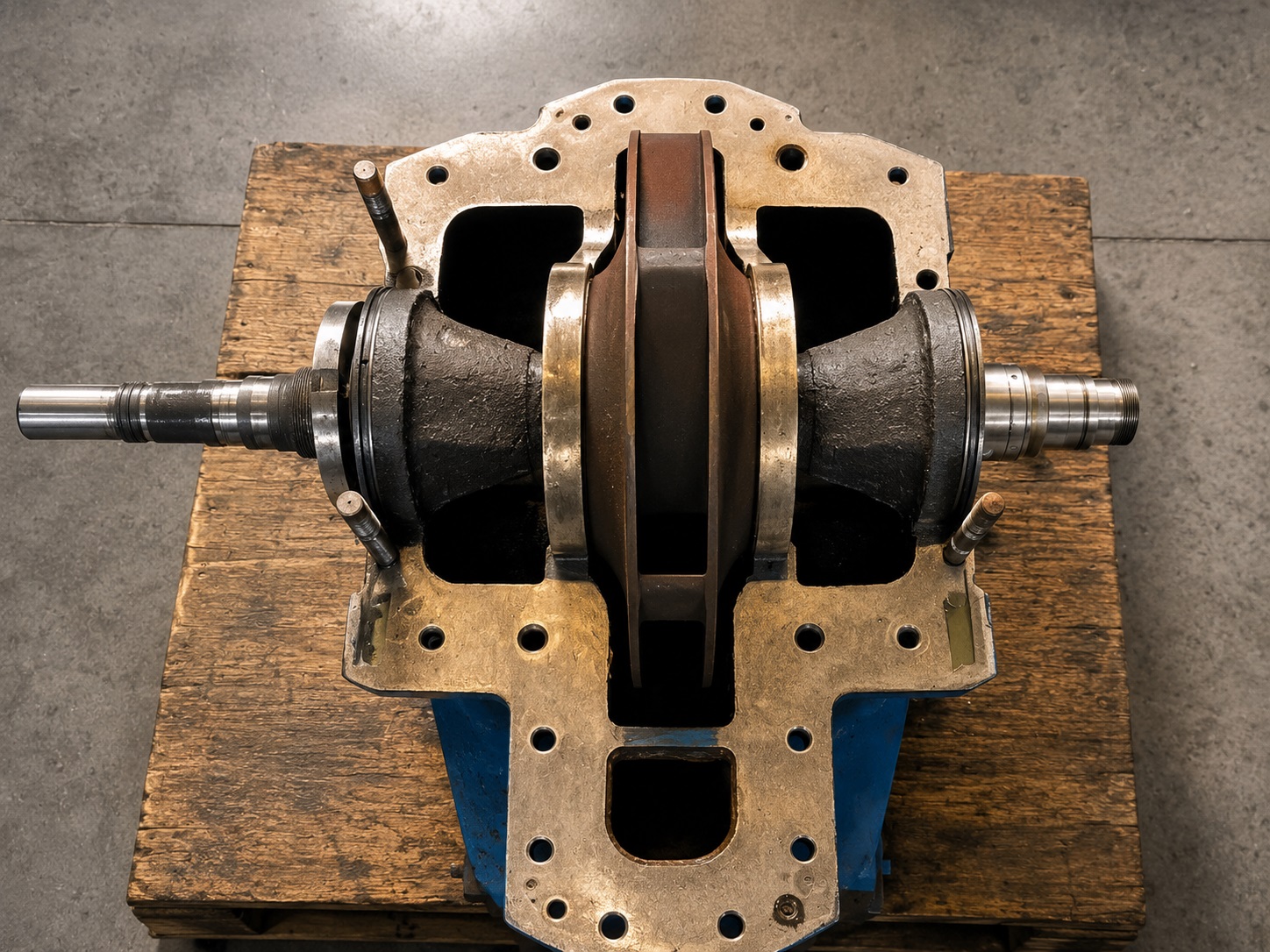
How repair records reveal repeat failure patterns
Repeat failures are difficult to manage when each repair is treated separately. A mechanical seal may be replaced, then replaced again months later. A bearing may fail, be changed, and then fail again under similar conditions. A pump may repeatedly require urgent intervention without the longer-term pattern being reviewed.
Repair records can make those patterns more visible. They can also support root cause analysis by showing whether the same symptoms, components or operating conditions are linked to repeated failures.
Repeated mechanical seal leakage may point to:
- shaft or sleeve wear;
- seal chamber condition;
- vibration or shaft movement;
- dry running;
- process media changes;
- incorrect seal selection;
- operation outside the intended duty.
Recurring bearing failure may point to:
- lubrication problems;
- contamination;
- bearing housing wear;
- incorrect fits;
- shaft condition;
- vibration;
- alignment-related issues;
- operating conditions that place additional load on the pump.
The failed component is important, but it may not be the full story. Repair findings can help show whether the same condition is repeatedly contributing to failure.
This is where repair assessment becomes part of reliability support. It helps the maintenance team understand whether the problem is component-related, pump-condition related, application-related or a combination of factors.
Repair history supports planned maintenance
Repair history is also useful for maintenance planning.
When records show repeated intervention on a specific pump, maintenance teams can plan an assessment before the next emergency failure. They can review parts requirements, prepare for shutdown work, compare repair and replacement options, and confirm whether seal, bearing or pump-condition issues need closer attention.
Instead of waiting for a pump to fail unexpectedly, teams can use intervention history to identify assets that may need planned inspection or refurbishment. This is particularly valuable for critical pumps, where unplanned failure may affect production continuity, safety, leakage control or downstream equipment.
Repair history can support planned maintenance by helping teams:
- identify pumps with repeated interventions;
- prioritise critical equipment;
- prepare for shutdown windows;
- order parts earlier;
- confirm repair scope before downtime pressure builds;
- review recurring seal or bearing issues;
- identify pumps that may require deeper assessment.
Planned maintenance does not remove every failure risk, but it gives teams more time to act before emergency pressure builds.
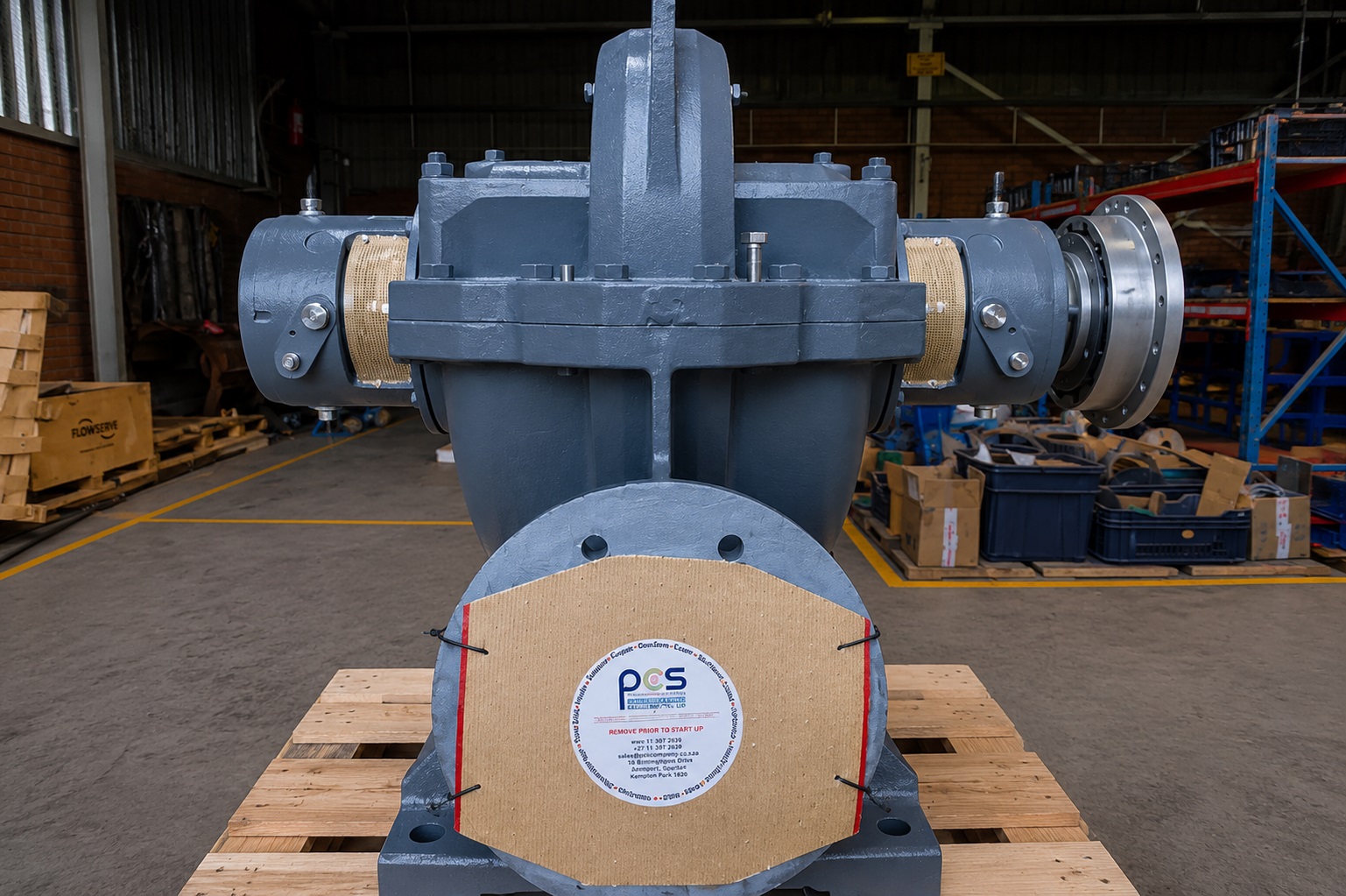
Repair history supports repair vs replacement decisions
Repair history is also important when deciding whether to repair or replace a pump.
A single repair cost does not always show the full commercial picture. A pump may appear economical to repair once, but repeated repairs, difficult parts sourcing, recurring downtime and declining reliability can change the decision.
A repair record can help teams review:
- how often the pump has required repair;
- whether the same failure is recurring;
- whether repair intervals are becoming shorter;
- whether repair costs are increasing;
- whether parts are still available;
- whether the pump remains suitable for the duty;
- whether mechanical seal or bearing failures are linked to wider pump condition;
- whether replacement, upgrade or design changes should be considered.
Repair history should not be the only factor in a replacement decision, but it provides important context. It helps maintenance, engineering and procurement teams understand whether repair remains technically and commercially viable.
This is especially important when production pressure makes short-term repair decisions feel unavoidable. A clear repair record gives the team better information for future planning.
Repair records, MTBR and MTBF
Repair records become more valuable when they are linked to reliability metrics such as MTBR and MTBF.
MTBR, or Mean Time Between Repairs, helps teams understand how often maintenance interventions are taking place. MTBF, or Mean Time Between Failures, helps show how frequently failures are occurring. Together, these metrics can help indicate whether reliability is improving, declining or becoming unpredictable.
The value of these metrics depends on the quality of the records behind them.
Without consistent repair and intervention records, teams may know that a pump is “giving trouble”, but they may not have enough information to see the trend clearly. With better records, they can compare repair intervals, identify repeat failures and understand whether the asset is becoming more maintenance-intensive over time.
For pumps with repeated seal failures, bearing failures or emergency repairs, MTBR and MTBF can provide useful context for reliability discussions. They do not replace technical assessment, but they support better decision-making when combined with repair findings and operating history.
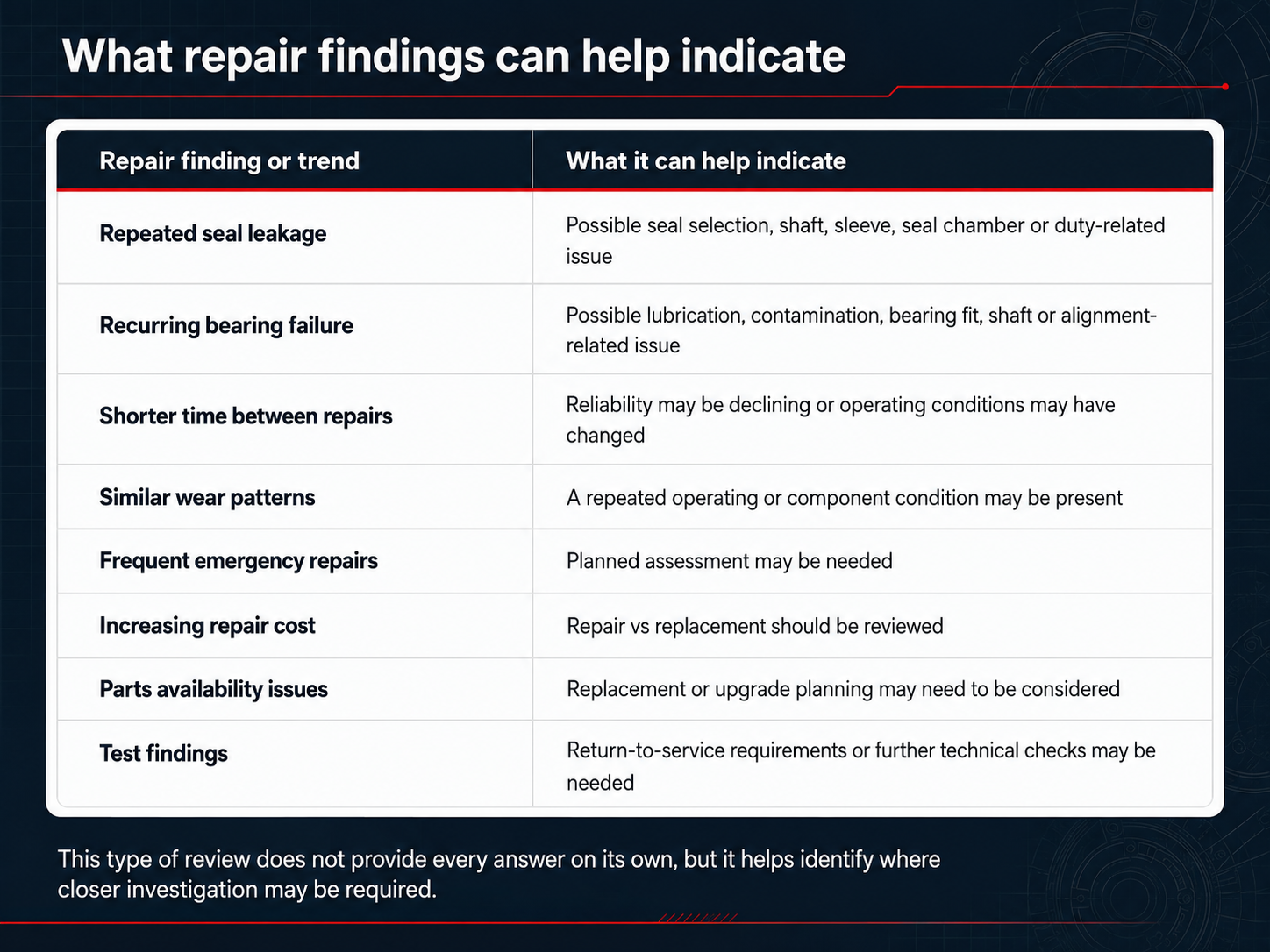
This type of review does not provide every answer on its own, but it helps identify where closer investigation may be required.
How PCS supports reliability-focused repair decisions
PCS supports industrial customers with pump repair assessment, mechanical seal repair expertise, technical product support and functional testing where required.
Where Flowserve pumps, mechanical seals or related equipment are involved, PCS’s role as an Authorised Flowserve Distributor within South Africa and an Approved Flowserve pump and mechanical seal repairer provides an important support point for repair assessment, replacement guidance and product support.
PCS can assist customers in assessing pump condition, repairability, mechanical seal and bearing condition, component requirements, testing needs and return-to-service considerations. The appropriate repair route depends on the pump type, equipment condition, operating duty, repair history and customer requirements.
Reliability-focused repair decisions are not based on one finding only. They rely on condition, history, application, repair feasibility and evidence gathered during assessment.
From repair records to better maintenance decisions
A repair should restore equipment where repair is technically viable. The findings from that repair should also support the next maintenance decision.
When maintenance teams record and review pump repair findings over time, they are better positioned to identify repeat issues, plan repairs earlier, compare repair and replacement options and understand how seal and bearing failures relate to the wider pump assembly.
Pump failure will always be part of industrial operations. The value lies in what the team learns from each failure and how that information is used before the next intervention is required.
PCS supports customers with pump repair assessment, mechanical seal repair support, Flowserve-aligned technical input and reliability-focused repair recommendations.
Discuss repeat pump failures or repair history with PCS
If your team is dealing with repeated pump repairs, recurring mechanical seal failures, bearing issues or uncertainty around repair history, PCS can support a technical assessment based on pump condition, application duty and available failure evidence.
Contact PCS to discuss your pump repair requirements or request technical support.
Email: info@pcsza.com
Tel: +27 (0)10 442 5798
Follow Us On LinkedIn